Most people work in one discipline. I move between software engineering, business analysis, and twenty years of commercial masonry — and the seams between them are where the useful work happens.
C# / .NET background — ETL, APIs, SQL, and modern web. I read systems the way I read blueprints: structure first, edge cases second.
BABOK-grounded requirements work translating between the people who run the business and the people who build the software. The MBA sits underneath it.
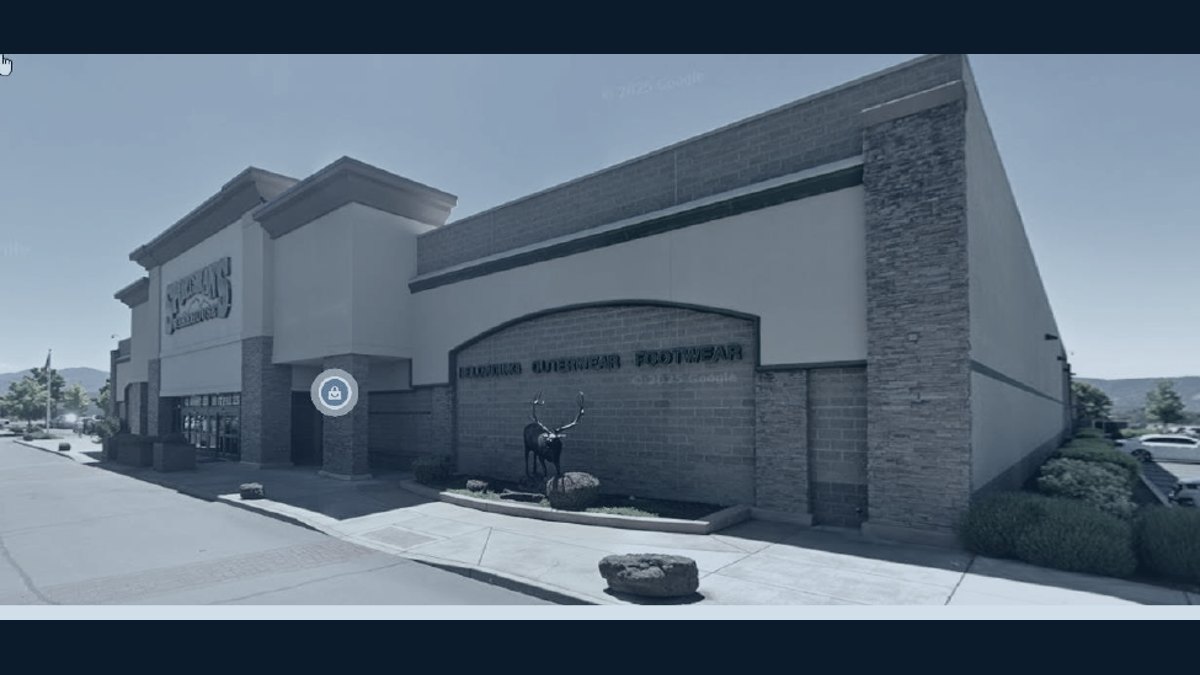
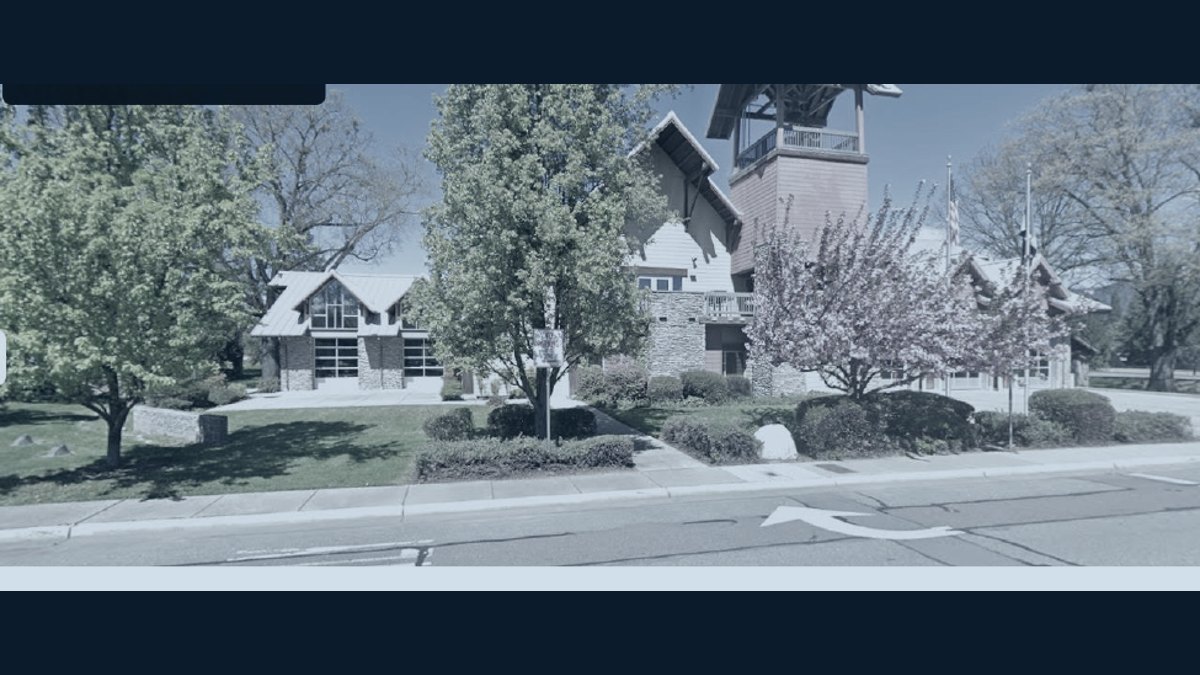
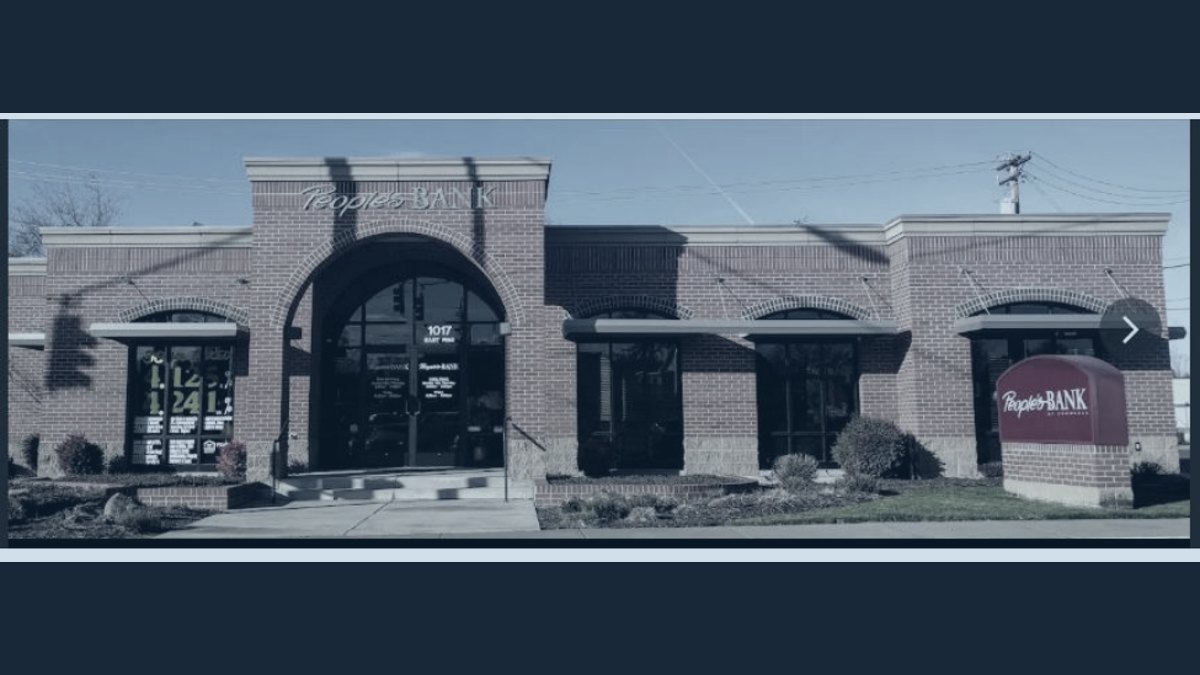
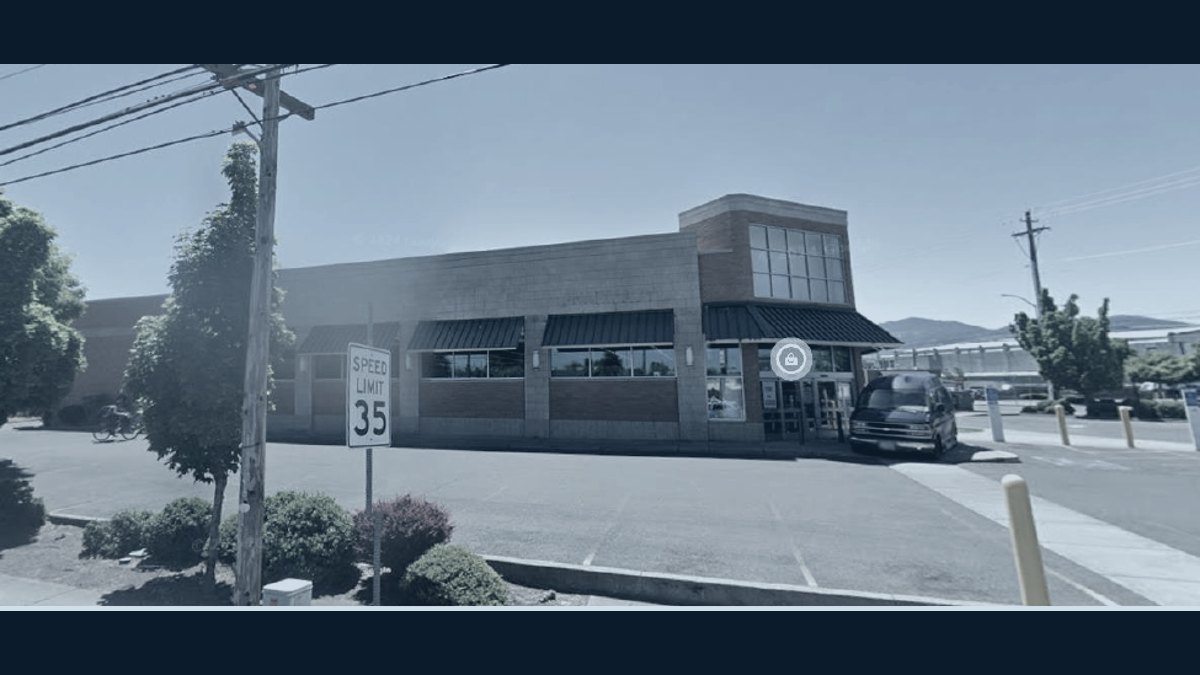
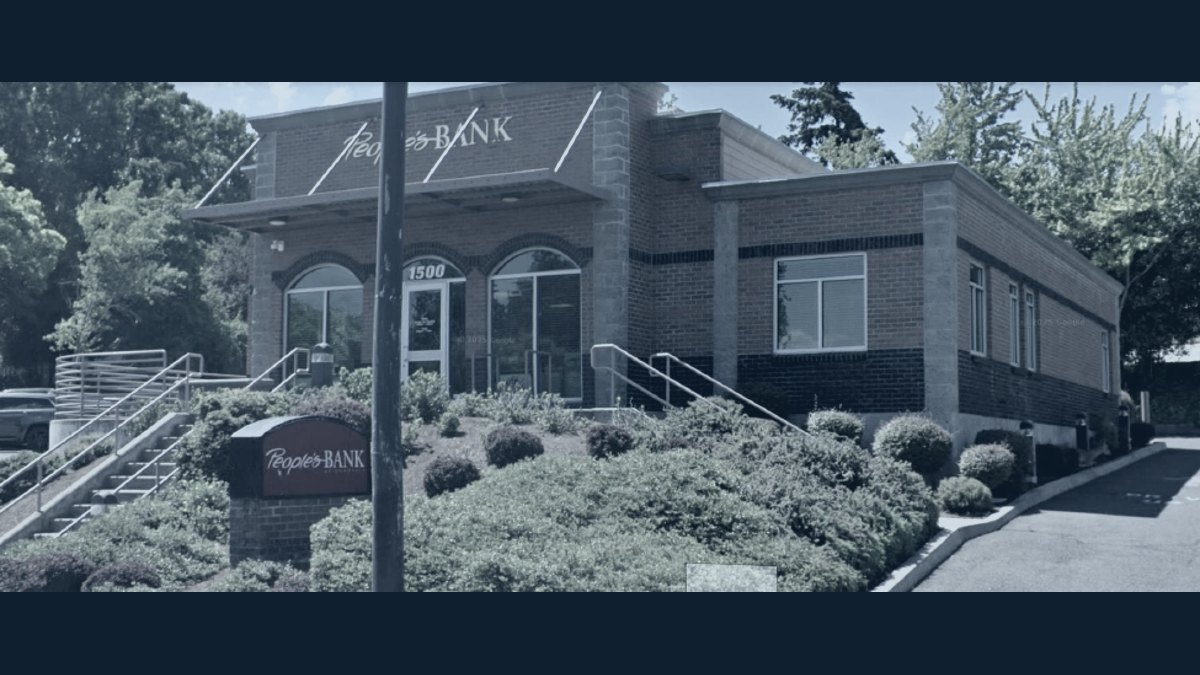
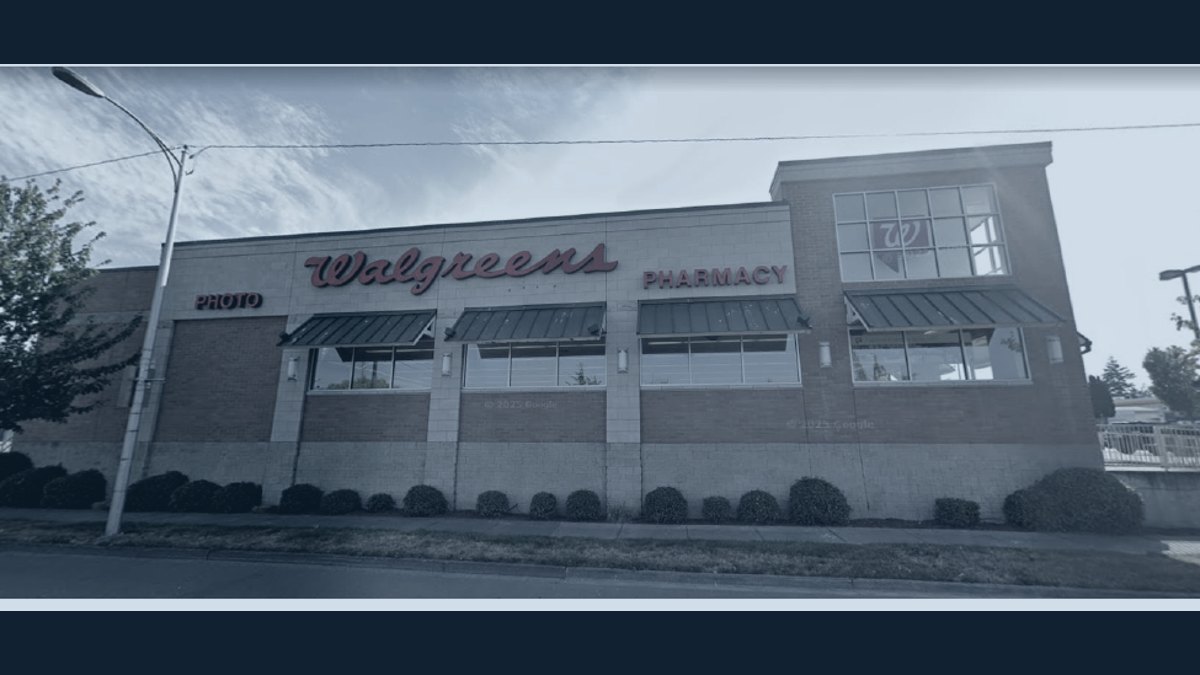
Two decades of commercial masonry — crews up to 30, projects from $25K to $550K. Foundations, framing, layout from blueprints. Real things that have to stand up.
[ COMMERCIAL RETAIL ]
[ MUNICIPAL ]
[ FINANCIAL ]
[ FINANCIAL ]
[ COMMERCIAL RETAIL ]
[ FINANCIAL ]
Ran a commercial masonry company across multiple states with crews up to 30 and project values from $25K to $550K. Bidding, layout, crews, schedule, the whole stack — before "stack" meant software.
BS in Computer Science, then years writing production .NET — ETL pipelines, APIs, JSON, PowerShell, SQL. The engineering foundation everything else now sits on.
Added the business layer — an MBA, then three years of heavily business-side BABOK work, now a BSA role bridging .NET teams, ERP implementation, and reporting at a 300-person company.
Pursuing an Oregon GC license, running a self-storage syndication venture, and shipping software — using each discipline to make the others sharper.
A wall and a system fail the same way: at the joint nobody planned for. Twenty years of making things physically stand up taught me to design for the load before the load arrives — and that instinct doesn't care whether the structure is brick, a balance sheet, or a codebase.
KEITH KUHL
Software, a construction project, or a deal worth modeling — if it needs someone who works in more than one material, this is the place to start.